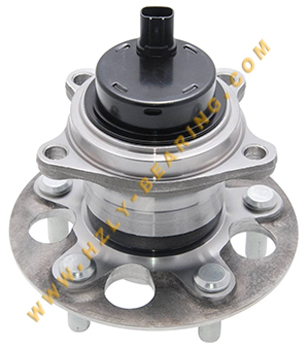
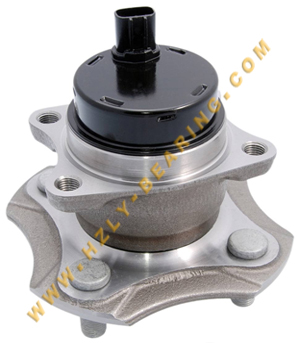
512280 Wheel hub assemblies can fail or require maintenance for many reasons, which makes it important to troubleshoot problems once warning signs appear. Signs of a worn wheel hub bearing vary based on severity. Noise is a typical sign of a bad wheel bearing or wheel hub assembly. However, the noise associated with wheel hub and bearing wearing and tear may sound suspiciously like other problems related to the tires or the constant-velocity joints. In this blog, we will talk about symptoms of a worn wheel hub bearing and diagnosis tips for troubleshooting problems with a hub assembly.
A wheel bearing usually fails due to pitting and small damage on the surface of the rollers or the bearing race. The surface of both rollers and race is precisely machined to high tolerances and finely polished to allow the rollers running easily and smoothly over the bearing race with the bearing grease for the purpose of lubrication and cooling. The bearing wears gradually over time, allowing dirt, contamination and small pieces of metal get into the bearing to cause pitting and deformation.
Although there is no average lifespan for a wheel hub assembly, rough road conditions and extreme temperatures can certainly shorten its lifespan. The damages can be made due to potholes or rough abrasives like sand and salt on roadways. Collisions will also result in the wear and failure of a hub assembly. Heat is the biggest enemy to a hub assembly because it deteriorates the seal faster causing contamination of the internal lubricant, and bad wheel callipers or brake failure to accelerate the wear out. Moisture in the assembly will also cause unnecessary wear.